

In today's digital world, safeguarding your personal information has never been more crucial. Whether you're browsing at home or accessing public WiFi, your data can be vulnerable to prying eyes. This is where a Virtual Private Network, or VPN, comes into play. A VPN encrypts your connection, providing an additional layer of security that helps shield your sensitive information from hackers and other threats. If you've ever wondered how to enhance your online privacy, trying out a VPN is a great first step.
One of the most appealing aspects of many VPN services is the opportunity to test them out through a 24-hour free trial. This allows you to experience the benefits of encrypted internet access without any commitment. In this article, we’ll guide you through the process of installing your VPN and demonstrate how it can improve your online safety. With just a few simple steps, you'll be on your way to secure browsing and the peace of mind that comes from knowing your data is protected.
What is a VPN?
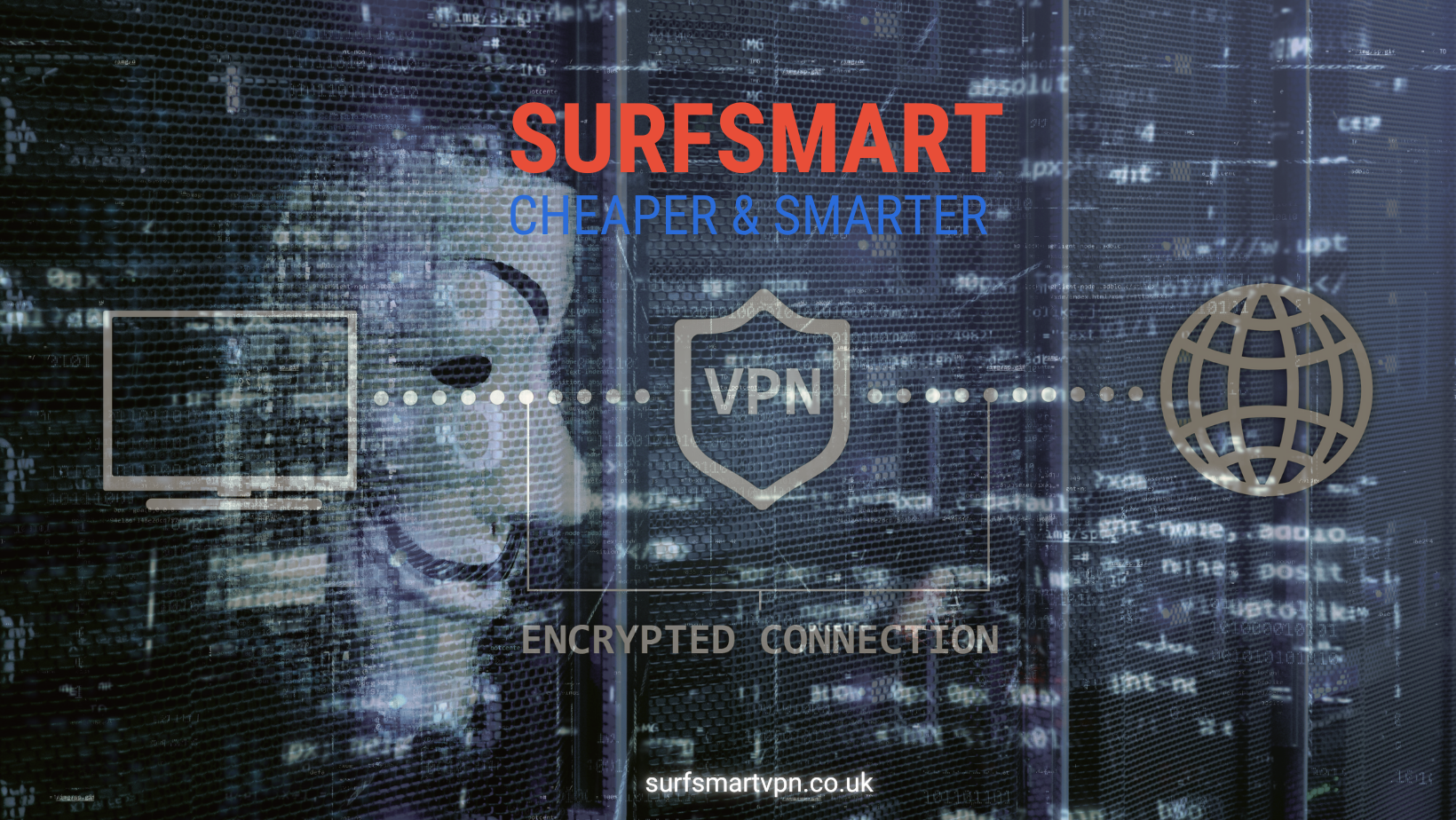
A Virtual Private Network, or VPN, is a technology that creates a secure and encrypted connection over a less secure network, such as the Internet. By using a VPN, your data is transmitted through a secure tunnel, making it difficult for third parties, including hackers and other prying eyes, to access your information. This is particularly important when using public WiFi networks, where security vulnerabilities can expose your personal data.
A VPN encrypts your connection, which means that your online activities and data transfer become unreadable to anyone who may attempt to intercept your signal. This encryption protects sensitive information, such as passwords and credit card details, making it essential for secure online transactions and browsing. VPNs also help mask your IP address, adding an extra layer of anonymity while you surf the web.
In addition to providing enhanced security, using a VPN can help you bypass geo-restrictions and access content that may be unavailable in your region. This gives you the freedom to enjoy a more open Internet, while also keeping your online activities private. By taking advantage of a 24-hour free trial, you can experience these benefits firsthand and understand how a VPN can enhance your online security and privacy.
How VPNs Encrypt Your Connection
When you connect to a Virtual Private Network, or VPN, your data is transmitted through a secure tunnel that protects your information from prying eyes. This encryption process involves converting your data into an unreadable format, so even if someone intercepts it, they will not be able to understand or misuse it. The result is a safeguarded connection that keeps your personal information safe from hackers and other malicious actors.
VPNs use various encryption protocols to secure your internet traffic. Common types include OpenVPN, IKEv2, and L2TP, each employing different methods to ensure data confidentiality and integrity. Strong encryption is crucial when using public WiFi networks, which are often targets for cybercriminals looking to steal sensitive information. By encrypting your connection, a VPN significantly enhances your online security and privacy while you browse.
Additionally, the benefits of VPN encryption extend beyond just safeguarding your data. VPNs can help you maintain your anonymity online by masking your IP address with the VPN server's IP. This makes it challenging for websites and advertisers to track your browsing habits and gather personal information. By choosing to install your VPN and take advantage of a 24-hour free trial, you can experience these protective measures firsthand and enjoy a more secure online environment.
Benefits of Using a VPN
Using a VPN encrypts your connection, providing a secure tunnel for your data as it travels across the internet. This encryption ensures that your online activities remain private and shielded from prying eyes, such as hackers and malicious entities. By masking your IP address, a VPN also helps protect your identity and location, allowing you to browse the web anonymously.
Another significant advantage of utilizing a VPN is enhanced security, particularly when connecting to public WiFi networks. These networks can be hotspots for cyber threats, making your sensitive information vulnerable to interception. A VPN adds an extra layer of security, safeguarding your personal data whether you are checking emails in a coffee shop or accessing online accounts in an airport.
Furthermore, a VPN allows you to access content that may be restricted in your region. By connecting to servers in different countries, you can enjoy a broader range of streaming services and websites. This versatility not only enriches your online experience but also empowers you to bypass geographical restrictions seamlessly.
Understanding Your Free Trial

When considering the security of your online activities, a 24-hour free trial offers an excellent opportunity to test a VPN without any financial commitment. This trial allows you to explore the features of the VPN, understand how it encrypts your connection, and see firsthand the benefits of enhanced privacy. During VPN encrypts the connection , you can utilize the VPN across your devices, ensuring that your browsing data remains secure while connected to various networks.
Setting up your VPN for the trial is typically a straightforward process. Most providers offer a user-friendly installation process that can be completed in a few simple steps. After installation, you can start experiencing secure browsing almost immediately. During the trial, take the time to evaluate how the VPN impacts your internet speed and accessibility, as these factors are important when considering a long-term subscription.
Using a VPN during your free trial provides an essential insight into how encryption works to protect your personal data. You will notice how a VPN encrypts your internet connection, safeguarding it from potential threats, especially when using public Wi-Fi networks. This trial period is a valuable chance to familiarize yourself with the technology, ensuring you make an informed decision regarding your online security needs going forward.
Setting Up Your VPN
To begin your journey towards secure browsing, the first step is to choose a VPN service that offers a 24-hour free trial. Once https://hedgedoc.uni-ak.ac.at/b8LfeIShTseThJPcJU6cLA have selected a VPN, head to their official website or download the application from a trusted source. During the installation process, you will be prompted to create an account. Make sure to fill in the necessary details accurately to enjoy full access during your trial period.
After creating your account, you will typically proceed to download and install the VPN application on your device. The installation process is usually straightforward, involving a simple click-through setup wizard. Just follow the on-screen instructions, and within moments, you will have the VPN application installed on your system. This is an essential step in ensuring that your connection is encrypted and your data remains secure while browsing.
Once installed, open the VPN application and log in with the account credentials you just created. After logging in, select a server location from the list provided. Connecting to the server will activate the VPN and encrypt your internet connection. This step is crucial as it helps protect your personal data from potential threats, especially when using public WiFi networks. Enjoy exploring the benefits of secure browsing with your newly installed VPN during your 24-hour free trial!
Installing the VPN Software
To start enjoying secure browsing with your VPN, the first step is to install the VPN software. Begin by visiting the official website of the VPN provider you have chosen. Most providers will have a clear option for you to download the software for your specific device, whether it’s a Windows PC, Mac, Android, or iOS. Make sure to select the right version that matches your operating system to ensure compatibility.
Once you have downloaded the installation file, locate it in your downloads folder and double-click to open it. Follow the prompts to install the software, which usually involves agreeing to the terms and conditions and selecting your preferred installation settings. The process is typically straightforward and should not take more than a few minutes. Keep in mind that some VPNs may require you to create an account or log in during this process.
After installation, launch the VPN application, and you will be prompted to log in if required. This is where you can enter your credentials and access the features of the VPN. If you are testing a 24-hour free trial, look for the option to activate this trial period. Once set up, you can start connecting to secure servers and experience encrypted internet access, ensuring your personal data remains protected while you browse.
Configuring VPN Settings
Once you have installed your VPN, the next step is configuring its settings to ensure optimal protection. Most VPN applications come with default settings, which are often sufficient for general use. However, you may want to explore the options available to enhance your security further. Look for features such as a kill switch, which immediately disconnects your internet if the VPN connection drops, and DNS leak protection, which prevents your device from leaking information to your Internet Service Provider.
Another important setting to consider is the choice of VPN protocol. Different protocols such as OpenVPN, IKEv2, or WireGuard offer various levels of speed and security. Depending on your needs, you can select a protocol that strikes the right balance between performance and protection. If you are unsure which to choose, consulting the VPN provider's documentation or support can help guide you in making the best selection for your browsing activities.
Finally, don’t forget to customize any additional settings to match your preferences. This might include turning on split tunneling, which allows you to choose which apps use the VPN and which do not, or enabling multi-device support if you wish to use the VPN on multiple gadgets. Taking the time to configure these settings will enhance your VPN experience and ensure that your connection remains secure during your 24-hour free trial.
Testing Your VPN Connection
Once you have installed your VPN and activated your 24-hour free trial, it's important to test your connection to ensure everything is working as expected. First, connect to the VPN by selecting a server from the list provided in the app. After connecting, you can check your IP address using an online IP checker to confirm that it reflects the location of the VPN server instead of your actual location. This is a crucial step to ensure your online activity is indeed being routed through the secure VPN tunnel.
Next, it’s helpful to run a speed test to assess how the VPN affects your internet speed. Many users worry that VPNs can slow down their connection, so conducting a speed test both before and after connecting to the VPN will provide insight into any changes. Look for the download and upload speeds, and see if your connection remains fast enough for activities like streaming or gaming. If you notice significant slowdowns, you may want to try connecting to a different server or adjusting your VPN settings.
Lastly, verify that your browsing remains secure while using the VPN. You can do this by accessing websites that provide security checks, or by simply ensuring that the URLs begin with "https" when browsing. This indicates that the connection to those sites is encrypted. Remember that a good VPN will not only hide your IP address but also encrypt your data, making it harder for potential intruders to access your personal information while you are connected.
Troubleshooting Common Issues
When setting up your VPN, some users may encounter issues that can hinder the installation process. VPN encrypts the connection is compatibility with the operating system. Make sure that the VPN you are trying to install supports your device's operating system, whether it's Windows, macOS, Android, or iOS. If you experience installation errors, check the system requirements on the VPN provider's website to ensure your device meets all specifications.
Another frequent issue users face is connectivity problems after installation. If your VPN fails to connect or drops the connection frequently, try switching to different servers offered by the VPN service. Some servers may be overloaded or experiencing temporary issues. Additionally, ensuring that your internet connection is stable can help alleviate these connectivity problems. If the issue persists, restarting your device and the VPN application may resolve the problem.
Lastly, if you find that the VPN is not encrypting your connection as expected, check the settings within the application. Ensure that the encryption protocols are set correctly and that you are connected to a secure server. You can also refer to the VPN's help section or support team for guidance. Testing the service during the free 24-hour trial period is an excellent way to identify these issues without any commitment, allowing you to assess the effectiveness of the VPN before making a decision.
Conclusion and Next Steps
In conclusion, using a VPN is one of the best ways to ensure your online security and privacy. By encrypting your connection, a VPN protects your personal data from potential threats, especially when using public WiFi networks. With a 24-hour free trial, you can experience these benefits firsthand without any financial commitment.
To get started, simply install your VPN of choice and take advantage of the free trial period. This allows you to explore the features, ease of use, and level of security provided by the VPN service. You can test the connection across multiple devices, ensuring you stay protected while browsing from your laptop, tablet, or smartphone.
After your trial, consider the advantages you experienced during this period. If you found the VPN meets your needs, subscribing to a plan can provide ongoing benefits such as uninterrupted security and privacy while you browse the internet. Start your journey toward safer online experiences today by installing your VPN and enjoying encrypted internet access.